Video Intercom
Al Quoz, Dubai
Video Intercom Installation in Dubai

Photographed on one of our own installations in Dubai. What goes where, and in which finish, is decided room by room at design stage.
Our own installation
Most visits to a Dubai villa involve two doors. Someone arrives at the outer gate and presses a button. Someone inside walks out, looks, walks back, and the same visitor waits again at the front door. A video intercom turns that into one conversation: you see the person, you hear them, you decide, and the entrance they are standing at opens. Whether you're in the kitchen, at the office or in another country makes very little practical difference.
- Coverage
- Across Dubai
- Stage
- New build and retrofit
- Scope
- Design, installation, support
Quick answer
In brief
A video intercom lets a household see and speak to whoever is at a gate or door, from an indoor panel or a phone, and release the entrance that visitor is standing at. Vertex Automation installs wired, IP and wireless intercom systems for villas, apartment buildings and offices in Dubai, with call routing agreed entrance by entrance. The survey confirms whether existing intercom cabling can be reused.
Key facts
| Service | Video Intercom Systems in Dubai |
|---|---|
| Property types | Villas, apartments, penthouses and offices |
| Coverage | Dubai, United Arab Emirates |
| Based in | Al Quoz, Dubai, United Arab Emirates |
| Project stage | New build and retrofit |
| Delivery | Design, installation, programming and support |
| Phone and WhatsApp | +971 50 956 3041 |
How it works
Designed as one joined-up system, not a list of devices.
01
Every entrance, and who gets called first
We design and install video intercom systems for villas, apartment buildings and offices across Dubai, planned around how a property is genuinely entered, not around one doorbell button. A villa usually has three ways in: a pedestrian gate, a vehicle gate and a front door, and often household staff who answer before the family does. A building has a lobby station that must reach the correct apartment every time, plus a service entrance nobody thinks about until a delivery arrives. Who gets called, in what order, and which screen shows which camera are design decisions, and we settle them with you before anything is mounted.
02
Wired, IP and wireless, and where each one belongs
Three kinds of system come up in these conversations. Wired systems run dedicated cable from the entrance station to the indoor panels and are the most dependable arrangement, which is why we default to them. IP systems run over the property network, and that is what makes phone answering, several screens and remote release straightforward to deliver. Wireless links have a genuine place where reaching a distant gate would otherwise mean cutting a finished driveway. Most properties end up with a mixture, and we'll tell you which part of yours is which, and why.
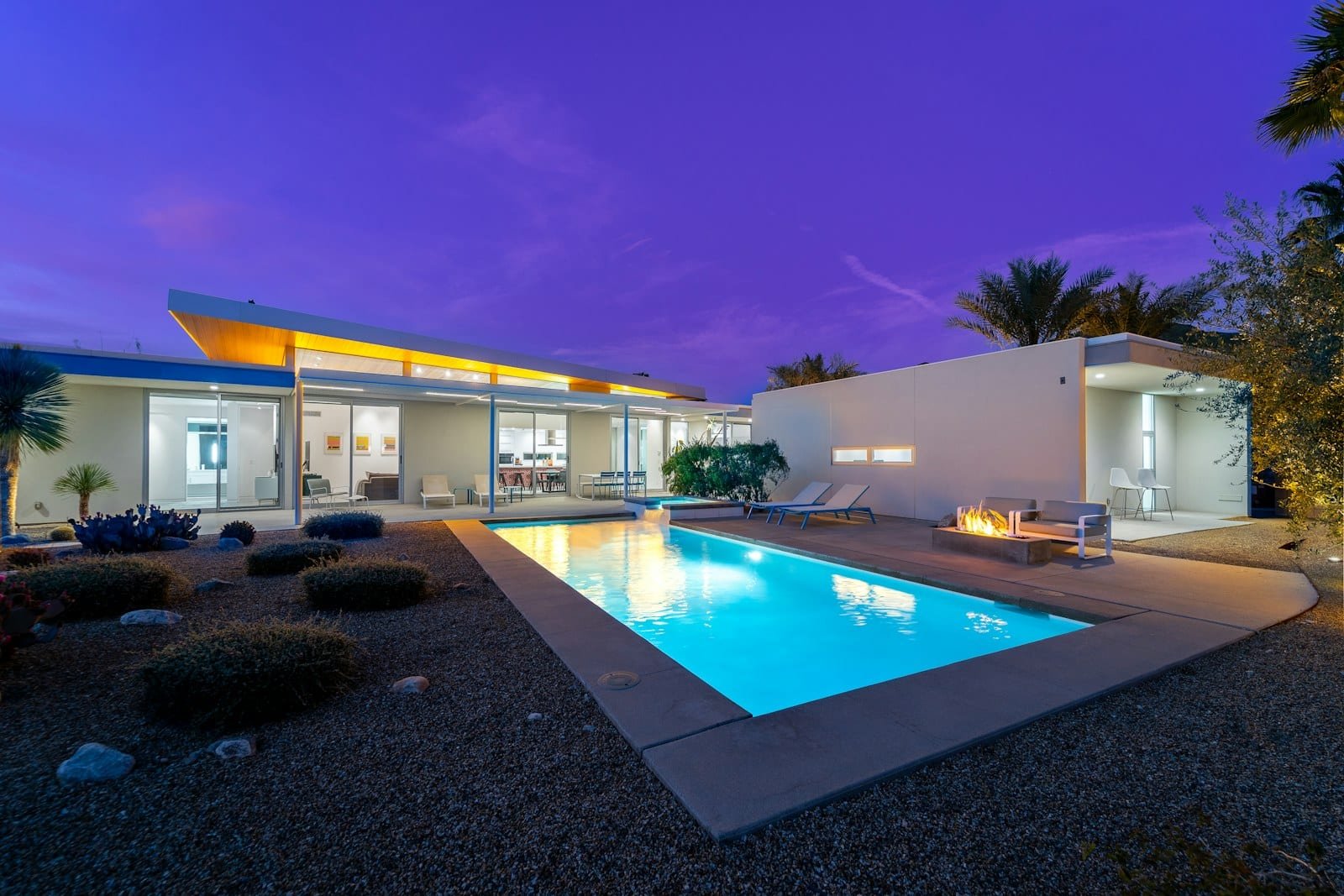
The pedestrian gate is the point of contact. Where the outdoor station goes is decided from the approach, the light falling on a caller's face and the cable route back.
Illustrative photography
03
The camera at the gate works harder than any other
The camera at the gate works harder than any other camera on a property, and it is the one most often specified carelessly. It faces the sun for part of the day and full darkness for the rest. It sits at the exact height where a face is either captured or lost. It's also the image you rely on when deciding whether to let someone in. We choose station height and orientation for sightline and glare, set a field of view wide enough to show a courier holding a parcel and tight enough to show the face above it, then check the picture on site at the hours visitors actually call.
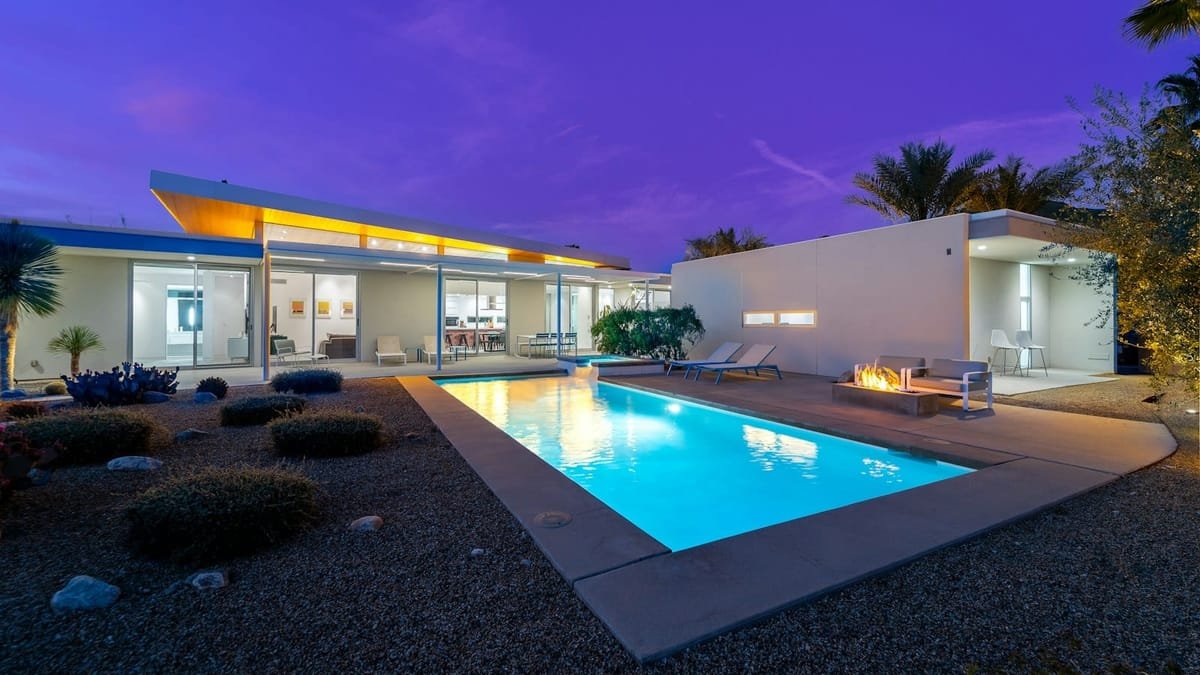
The call reaches the panels inside the house and your phone at the same time, so a delivery can be answered from an upstairs room or from another country.
Illustrative photography


Demonstration
Video Intercom, in use
A page-sized study of the service in context. Final scenes and controls are written for the rooms and routine.
Front Gate Intercom
Vertex video door station
Someone's at the gate. See and hear who it is before you decide.
Simulated for this page. Scenes are written per project, around the rooms and the routine.
Illustrative
What it gives you
What changes when someone arrives
Hardware is the means. These are the things you notice once the system is live.
01
Answer from wherever you are
A call from any entrance rings the indoor panels and your phone at the same moment. You see live video, speak in both directions and act. At the kitchen counter, at work, or on a stopover in another time zone, the visitor gets the same answer and never knows the difference.
02
Gate and door as one motion
A visitor answered at the outer gate can be released there, then released again at the front door as they reach it, from the same screen or the same phone. No second app, no separate remote, and no walking down the drive to finish what the intercom started.
03
A face you can judge by
Recognising someone at the gate is the whole point, so the entry station is specified for that job: positioned against the sun rather than into it, framed to catch a face at standing height, and capable in darkness. A clear picture at the moment of decision is worth more than any feature list.
04
Every entrance identifies itself
Calls announce where they come from. The panel opens the right camera, and the release control operates the entrance in front of the visitor instead of one on the far side of the property. In a building, the lobby station reaches the correct apartment every time, with service entrances routed the way management asks.
Scope
What an intercom installation covers
Set at design stage, from the property and your priorities, never from a fixed package.
- Site survey of every entrance, sightline and cable route
- Gate and door stations rated for outdoor heat, glare and dust
- Indoor answering panels placed where the household actually is
- Phone answering and release for family and household staff
- Wired, IP and wireless links specified entrance by entrance
- Multi-entrance call routing with automatic camera identification
- Lobby station and per-apartment call routing for buildings
- Electric lock, strike and gate operator release wiring
- Reuse of existing intercom cabling where testing confirms it is sound
- Network provisioning, commissioning, documentation and handover training
Project detail
An intercom living in its own app is a doorbell with extra steps. Designed with the rest of the system, the entrance answers into the property: a gate call at night can raise the driveway and pathway lighting for whoever is standing there, the television can pause and put the entry camera on screen, and the panels that answer visitors are the same ones you already use for lighting and climate. Release runs through the same access control as your doors and gates, so a credential given to a housekeeper works at the entrances you agreed and nowhere else, and the entry camera records alongside the wider CCTV, which means every answered call has footage either side of it.
On a new build, intercom routes are planned at first fix: conduit to each gate pillar before the driveway is laid, power and network terminated where the stations will sit, containment sized with room to add a second entrance later. In an existing property the survey decides. A surprising number of older intercoms are already carrying sound cable that a modern two-wire or IP station can reuse, which avoids digging entirely. Where that cable is unusable and trenching to a far gate would mean lifting finished paving, a properly engineered wireless link at that one hop is the sensible answer. We look first, then tell you which of the three routes your property supports.
In Dubai
Video Intercom in Dubai
Climate, regulation and the way this city builds all shape the specification, before any equipment is chosen.
Entry to a Dubai villa tends to be layered: a boundary wall with a pedestrian gate, a separate vehicle gate, then the house itself, and a household where staff, family and drivers all answer at different times of day. Call routing has to reflect that or the system becomes an irritation, so we agree who is reached first at each entrance and what happens when nobody picks up. Deliveries deserve the same thought. Couriers arrive all day and often when the property is empty, and being able to see the parcel, speak to the driver and decide where it goes is the feature owners use most in the first month.
The hardware has to survive its location. Entry stations sit outdoors through months of direct sun, heat and blown dust, so we specify weather-rated units and position them where glare will not blind the camera at the hours calls actually come. In apartment buildings and offices, lobby and riser work usually needs building management sign-off before it starts, and we prepare the details they normally ask for. One regulatory note: where entry cameras record as part of a CCTV system, camera work in Dubai falls under SIRA, the Security Industry Regulatory Agency, and requirements differ by property type. We explain which apply to yours and design within them.
Questions
Video intercom, your questions
Yes, and it's the reason most owners install one. A call from any entrance rings your phone wherever you have an internet connection, shows live video of whoever is standing there, and carries two-way audio, so you can talk to a courier from an office or an airport lounge. Letting them in stays a deliberate action on your part, taken after you have seen and spoken to them. The indoor panels ring at the same moment, so whoever is closest can answer first.
Wired is the most reliable, and where a cable route exists we use it. A dedicated cable is unaffected by network congestion, neighbouring Wi-Fi or a router that needs restarting. IP systems, which run over the property network, are the practical way to deliver phone answering and multiple panels, and they are dependable when the network behind them is properly built, which is work we do ourselves and don't leave to chance. Wireless is the right answer for one difficult hop, such as a far gate across a finished driveway, and not a default for the whole system.
Often, yes. Many older systems were installed on two-core cable that a modern two-wire station can run on, which turns a trenching job into a straight swap at both ends. We test the existing run for continuity, condition and length during the survey before promising anything, because a cable that was marginal for an old audio handset may not carry video reliably. If it does not pass, we say so and price the alternative instead of installing on hope.
The pattern is a lobby or main entrance station, indoor answering in each unit, and routing rules in between. A visitor selects the apartment or office, the call reaches that unit's panel and any phones registered to it, and release opens the entrance for that visitor. Service entrances, basement lobbies and riser doors can sit on the same system. In tenanted buildings, the resident directory is handed over as a record you can edit yourself, so a change of tenant doesn't mean waiting on anyone.
Yes. The intercom can drive a gate operator and an electric lock or strike directly, so releasing at the gate and releasing at the door become two taps in one conversation, not two systems. Where access control is part of the project, the same credentials cover both: permanent for family, scheduled for household staff, and visitors answered on screen. If your gate already has a motor, we check its release input during the survey and tell you whether it can be driven as it stands or needs a control board change.
Plan the way people arrive
Tell us how visitors reach you: which gates, which doors, who answers, and what should happen when the house is empty. We'll survey the property and design the intercom around that, with the cabling route confirmed before anything is specified.
Villas, apartments, penthouses and offices across Dubai. New build, refit, or a system somebody else left you with.
Also in the system
What this usually goes in with
Specified, wired and commissioned by the same team on the same drawings, which is the reason they behave as one afterwards.
Locks & Access
Keyless entry, codes for family and staff, and access control that knows who comes and goes, with mechanical fallbacks.
Security & CCTV
Cameras, alarms and sensors integrated into one system, designed with privacy in mind and regulations understood.
Villa Automation
Whole-villa scope: multi-floor scenes, climate zoning, shading, gates, garden zones and cinema, planned as one project.